
Elevate Your Curb Appeal with Canyon Ridge Garage Doors — The Look of Wood Without the Upkeep
When building a custom home, renovating a tired exterior, or simply updating your subdivision property, it’s always nice to stand out from the norm. One of the most impactful ways to do so is by upgrading the garage door.
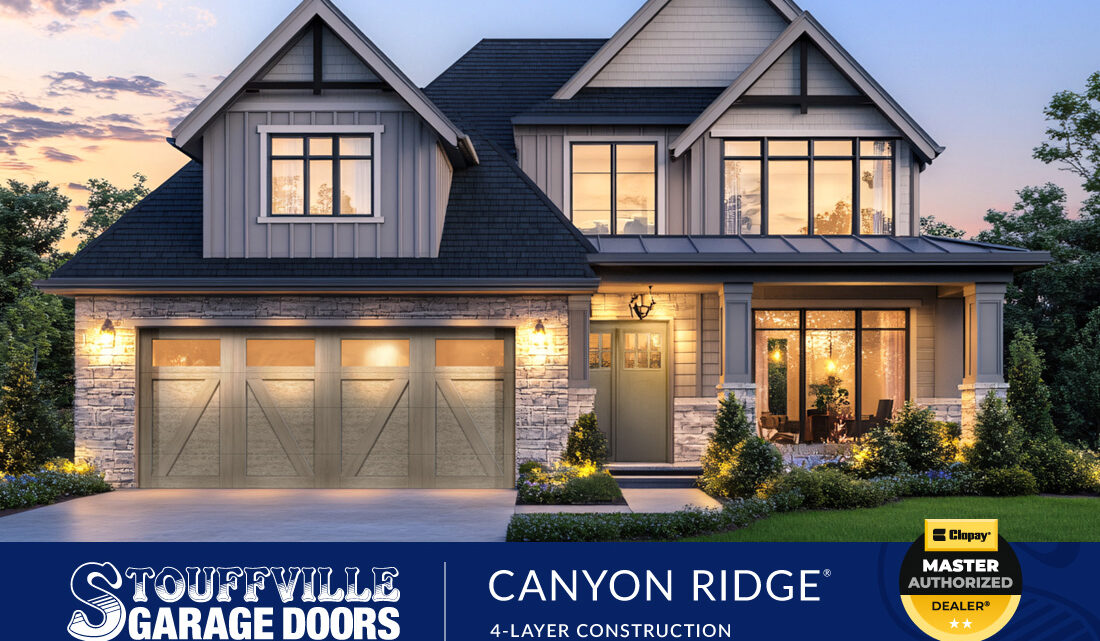
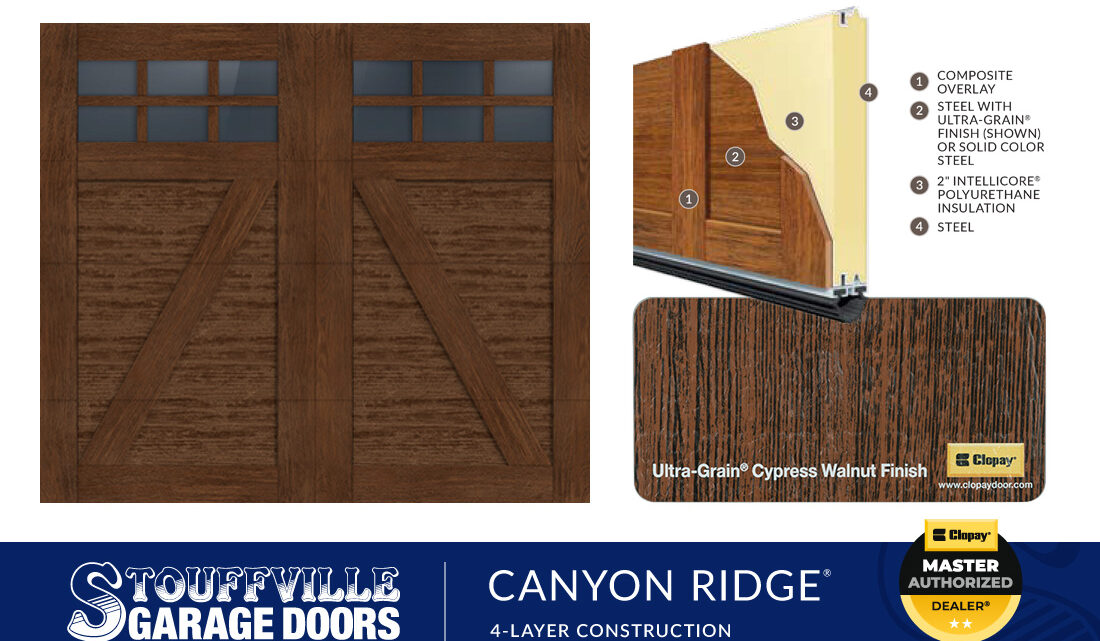
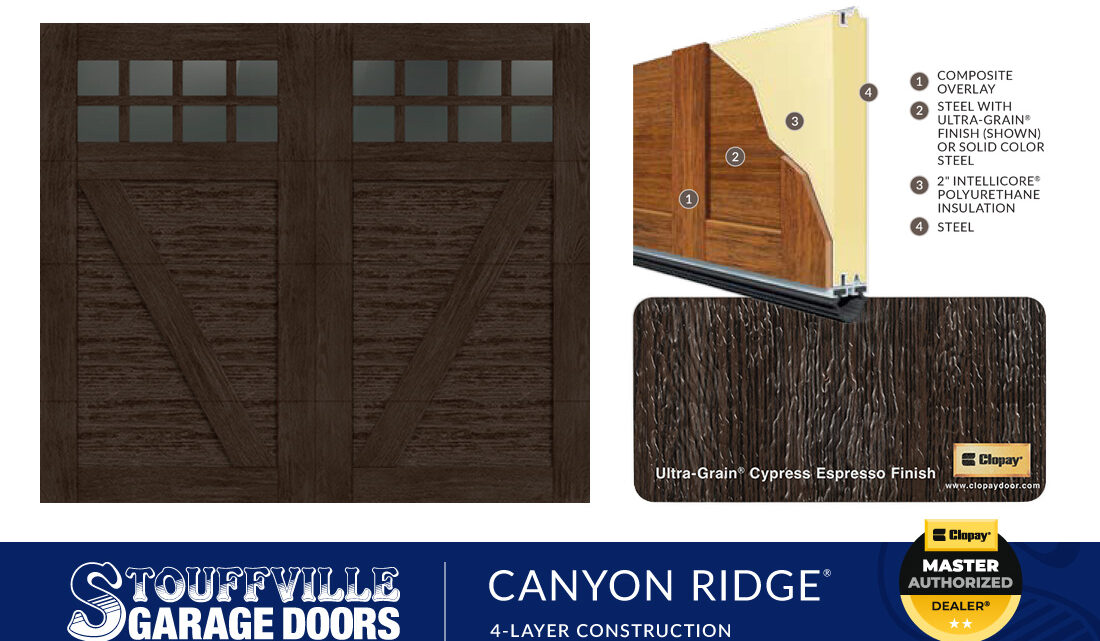
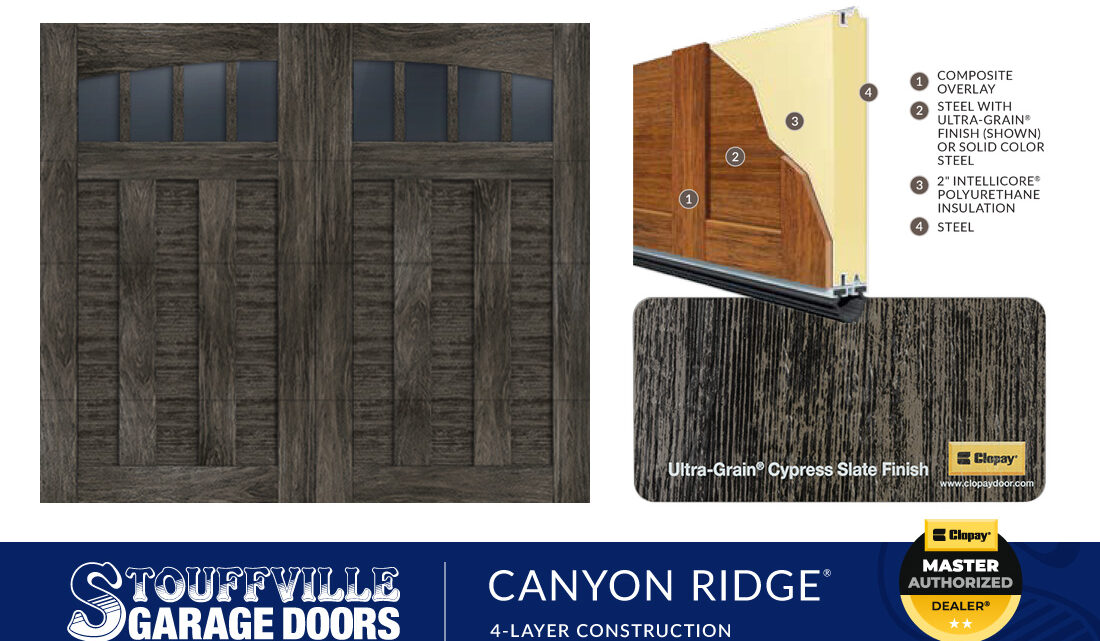
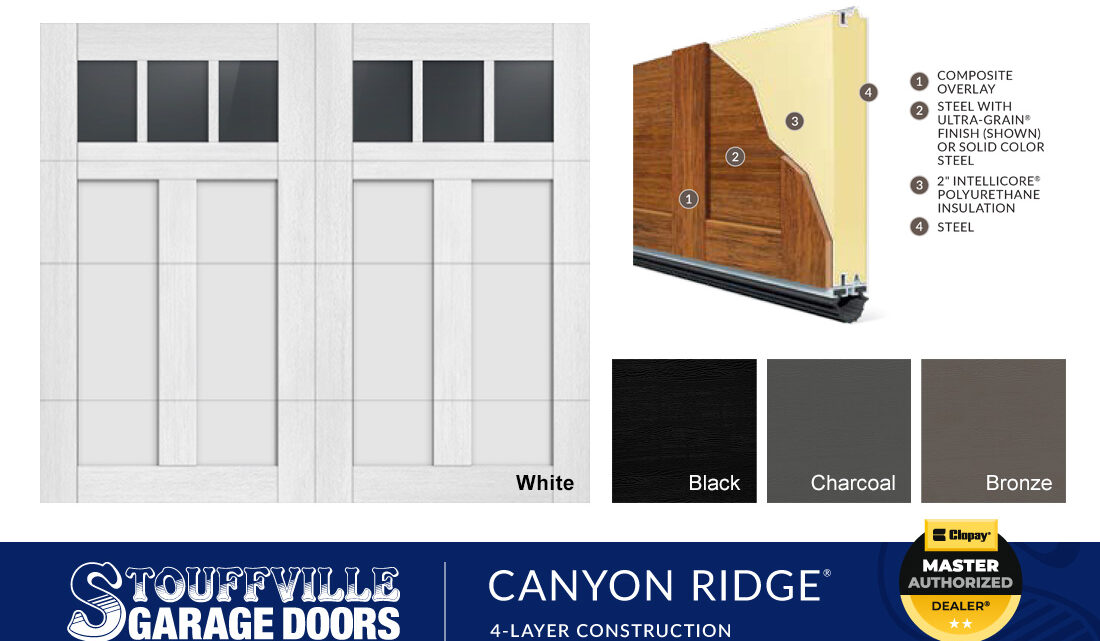
The Canyon Ridge collection by Clopay offers the look of a true handcrafted carriage house door without the maintenance that comes with real wood. These doors are designed to complement your entry door, gables, siding, stonework, or landscaping, creating a cohesive and elevated exterior that instantly draws attention.


Big Visual Impact, Bigger Return: Why a New Garage Door Pays Off
On most properties, the garage door can range between 25% to 40% of the home’s total front façade. That’s a huge visual footprint. Updating it can dramatically change your home’s overall appearance.
When compared to replacing an entry door, a new garage door is often a more affordable investment—despite being three to five times larger and offering significantly more visual impact. In terms of viewing area and curb appeal, it’s one of the smartest exterior upgrades you can make.
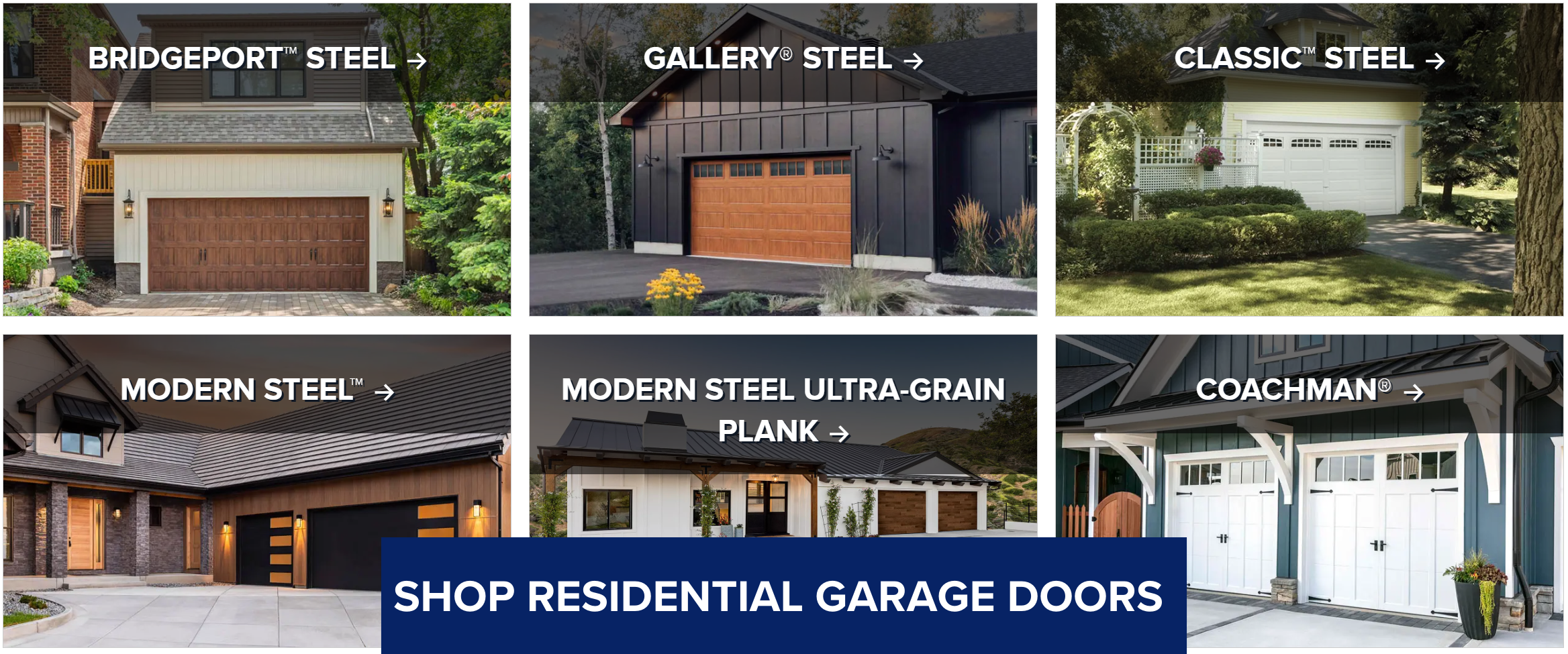
Browse Our Full Range of Residential Garage Doors
The Look of Wood Without the Upkeep
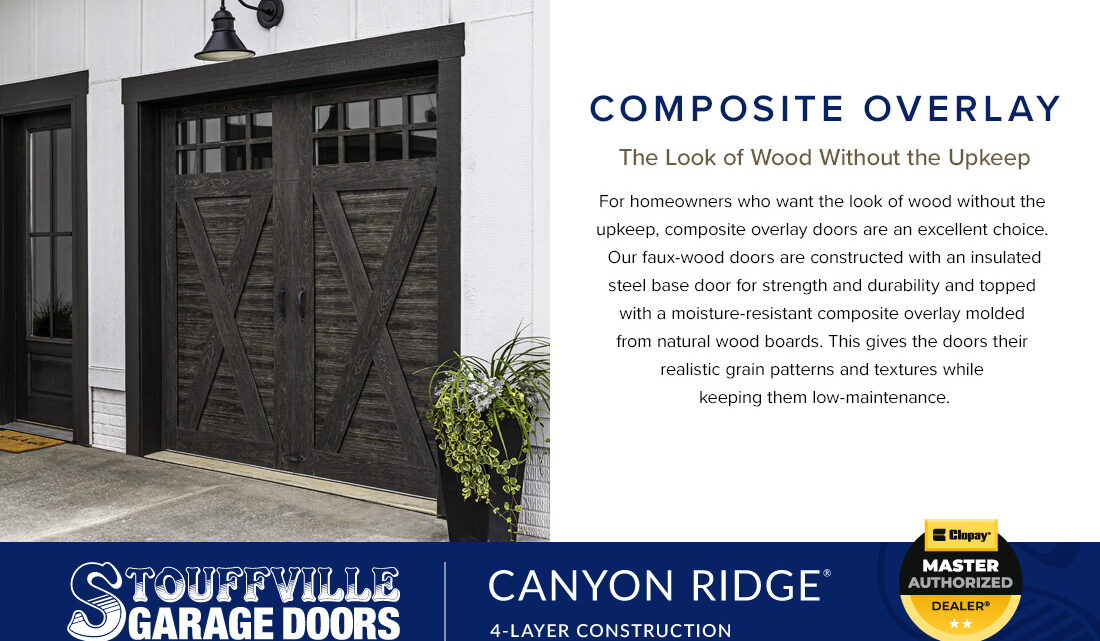
For homeowners who love the warmth and texture of wood but don’t want the sanding, staining, and ongoing maintenance, composite overlay doors are an excellent solution.
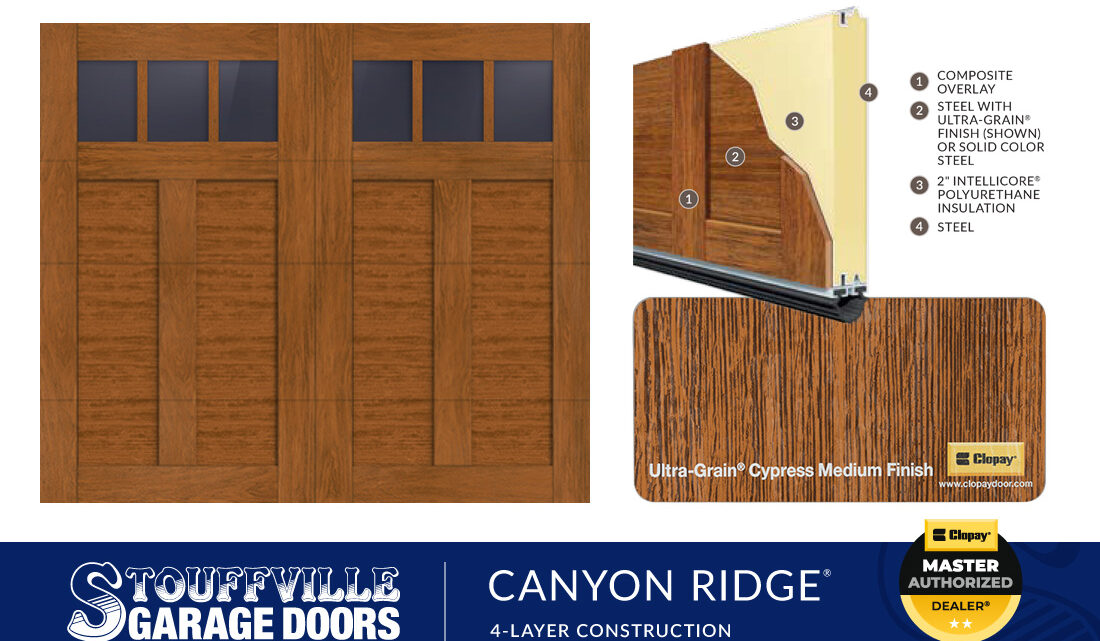
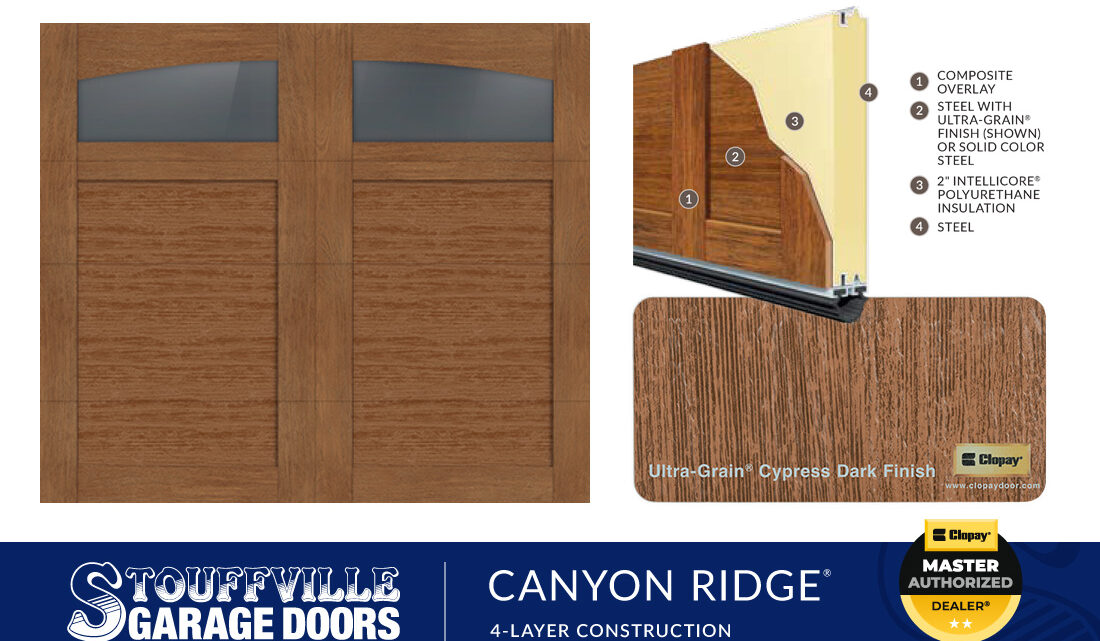
Canyon Ridge doors are constructed with:
- A durable, insulated steel base for strength and energy efficiency
- A moisture-resistant composite overlay
- Realistic woodgrain patterns molded from natural wood boards
The result? An authentic wood look with long-term durability and low maintenance.
Request Garage Door Installation Services
A Transformation Homeowners Love
When our clients choose a Canyon Ridge door, they’re often amazed at the transformation. The right door doesn’t just update a house, it elevates the entire property. We consistently hear how it makes their home look more custom, more refined, and more valuable.
At Stouffville Garage Doors, we specialize in premium garage door installations that boost curb appeal and long-term value. Since 1988, we’ve helped homeowners make confident exterior upgrades with quality products and professional installation.
Explore More Design Inspiration and Service Options
Our Best Price Guarantee
We stand behind our pricing. We guarantee the best price and will not be beaten by any competitor on Canyon Ridge garage doors. When you invest in this level of quality, you deserve both exceptional service and exceptional value.
If you’re thinking about upgrading your home’s exterior, call 905-642-3217 for pricing or to book your free on-site quote.
Let’s make your home stand out for all the right reasons.
Parking Inside your Garage During Winter: What Every Homeowner Should Know
Winter in Stouffville and Uxbridge are beautiful, but they can be tough on your garage door. Parking your car inside the garage during snowy months may seem convenient, but the snow and ice that melt off your vehicle can cause serious damage if not properly managed. Understanding the risks can save you from costly repairs and keep your garage door operating smoothly all season.
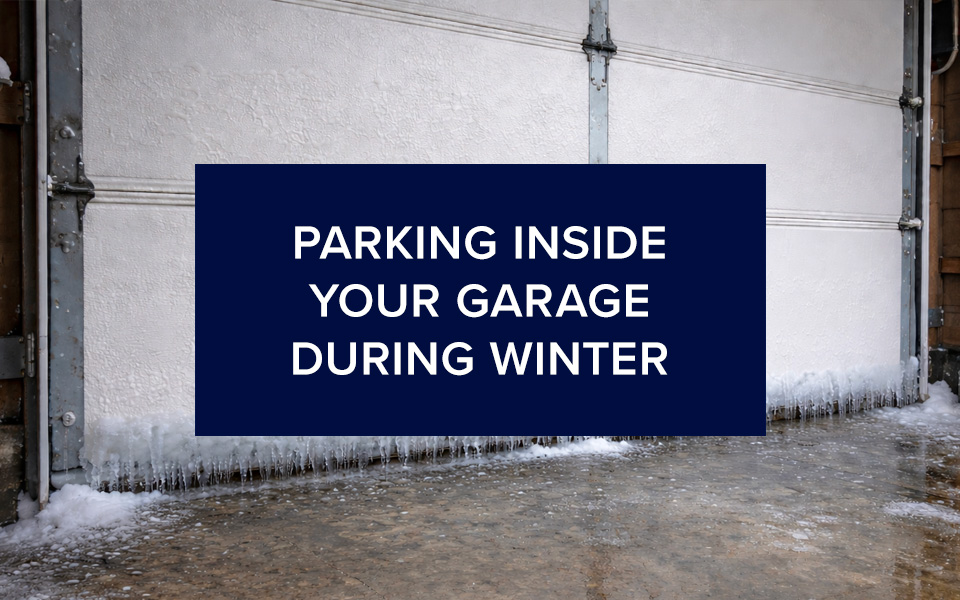
Ice Build-Up at the Bottom of the Garage Door
When snow and ice melt off your vehicle onto your garage floor, it can accumulate along the bottom of your garage door.
This often leads to:
- Stuck Doors – Ice can freeze the bottom of your garage door and its seal, preventing the door from opening or closing properly.
- Ripped Weather Seals – The door’s bottom rubber seal may tear as it struggles against frozen buildup.
- Operator/Garage Door Opener Damage – If your garage door opener is engaged while the bottom is stuck, it can stress the top section and the operator bracket, potentially causing breakage or the bracket to rip out of the door.
- Rust and Corrosion – Constant exposure to water, ice and salt can cause the door’s bottom panel, brackets, rollers and tracks to rust, weakening the structure over time.
Understanding the Bottom Brackets
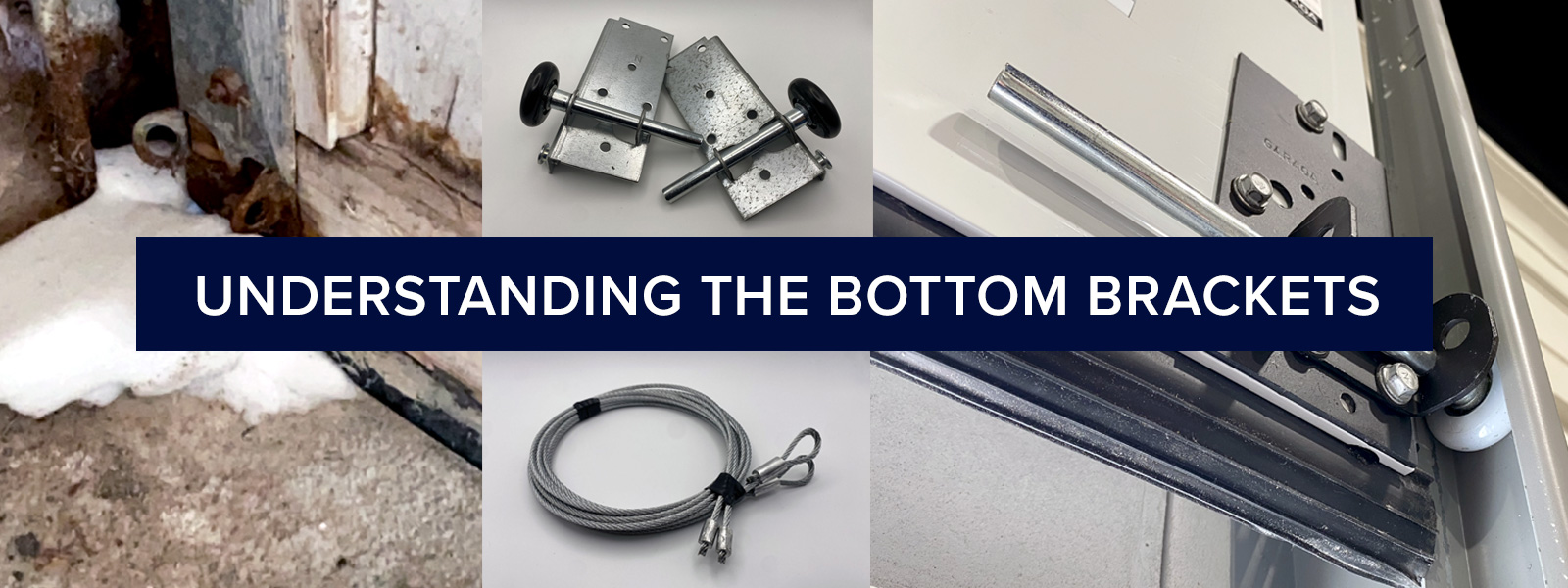
The bottom brackets, located at the lower corners of the garage door, are essential components. These brackets hold the cables that carry the weight of the garage door, allowing it to lift and close safely. When these brackets sit in standing water, ice, snow and salt, rust can form, compromising the cables, brackets, rollers and the overall operation of your garage door. Rusted bottom brackets are one of the leading causes of garage door malfunctions.
Tips to Protect Your Garage Door This Winter
- Clear Snow Before Parking – Brush the snow and ice off your vehicle before entering the garage to minimize melting.
- Drainage Solution – Sweep, shovel or squeeze the access water, snow and ice away from the door bottom and brackets.
- Check Your Weather Seal – Replace worn or damaged seals before winter to prevent ice buildup. This is a common and cost effective part that should be replaced every few years.
- Inspect and Lubricate – Regularly inspect the bottom brackets, cables, rollers and tracks for rust and lubricate moving parts.
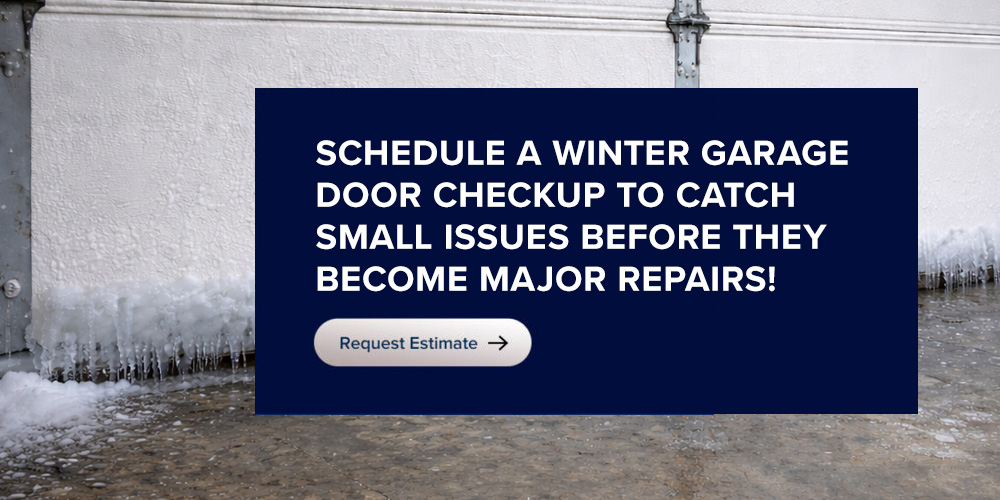
- Professional Maintenance – Schedule a winter garage door checkup with Stouffville Garage Doors to catch small issues before they become major repairs.
By taking these preventive steps, you can protect your garage door from winter damage in Stouffville and Uxbridge, avoid costly repairs, and ensure smooth operation all season long.

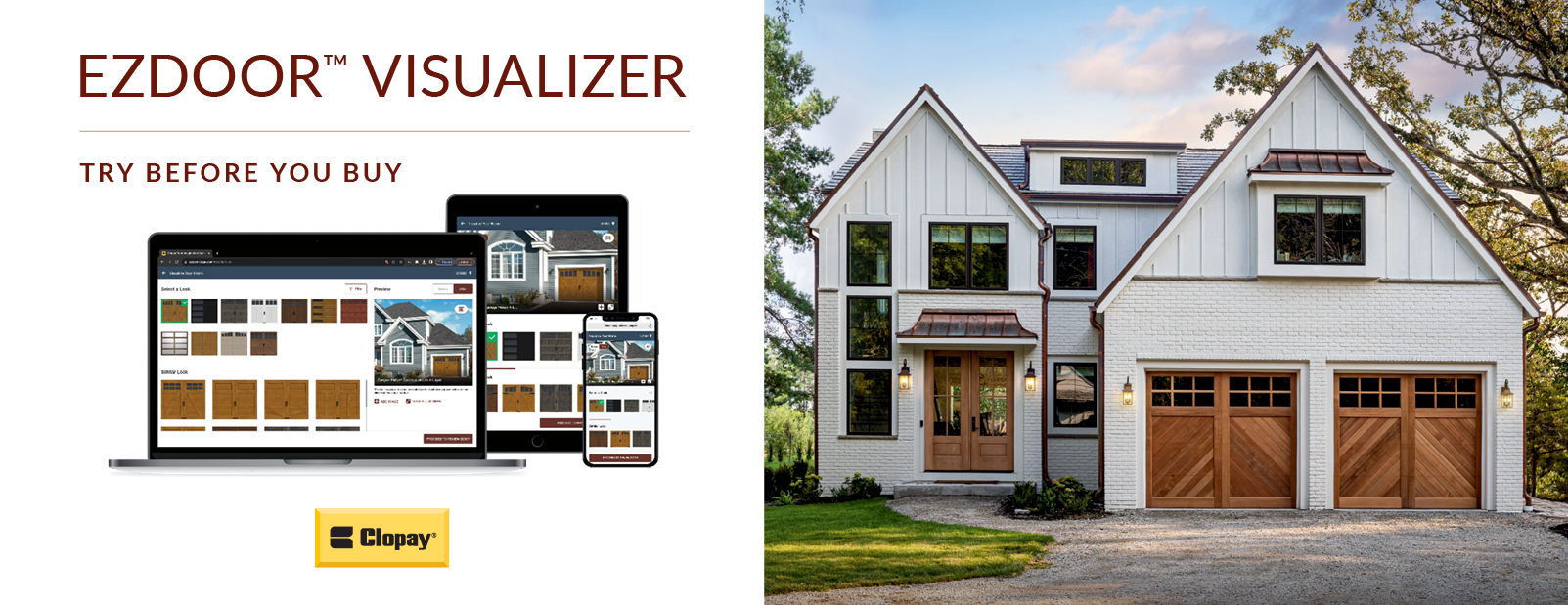
Advantages of Insulated Garage Doors in Stouffville & Uxbridge

An insulated garage door is a smart upgrade in Ontario’s climate because it keeps your garage and adjoining rooms warmer in winter, cooler in summer and quieter year‑round, while also improving door strength and longevity compared to a non‑insulated door. Clopay’s Intellicore insulated garage doors are a strong example, using dense polyurethane foam to deliver high R‑values, noise reduction and added structural rigidity.
Ontario Climate and your Garage
Ontario winters bring long stretches of freezing temperatures, so a non-insulated steel door acts almost like an open cold panel on the side of your home, letting heat escape and cold radiate into the garage. If your garage is attached to your home, that cold seeps into adjacent spaces like mudrooms, bedrooms over the garage, and even main living areas, forcing your furnace to work harder. In summer, the reverse happens. The metal heats up, turning the garage into an oven that can warm nearby rooms and make cooling less efficient.
Insulated vs Non-Insulated Garage Doors
A non-insulated door is typically constructed as a single layer of steel, with cupped steel at the top and bottom that can create pockets where moisture, dirt, and salt accumulate. Over time, this buildup can lead to deterioration of the door and the formation of rust.
This thin layer or steel transfers outside temperatures directly through the panel. You can feel this by touching the inside of the door on a very hot or very cold day.

Insulated doors feature either polystyrene insulation or pressure-injected polyurethane foam between the outer and inner layers of steel. This significantly reduces heat transfer and helps maintain a more consistent garage temperature throughout all seasons. This improved thermal performance can reduce drafts into the house and contribute to lower heating and cooling costs over time, especially when the garage is frequently used.
Why Intellicore Makes a Difference
Clopay’s Intellicore technology uses injected polyurethane foam that expands to completely fill the door’s interior cavity, rather than just placing a piece of foam between the outer and inner layers of steel. This dense pressure injected foam creates some of the highest residential garage door R‑values available, with certain Intellicore models reaching about R‑18.4 to R‑20+, which is well suited for cold regions like Ontario. Because the foam bonds to the steel, the door sections become more rigid and impact‑resistant, helping them better resist dents, warping and everyday wear than non‑insulated or polystyrene‑insulated doors of similar thickness.
Avoiding Frost with Insulated Windows
Non-insulated garage door windows let cold air causing condensation and frost buildup, leading to moisture, rust, mold risk and poor visibility.
Insulated windows complement an insulated garage door, eliminating cold spots, reducing frost, and keeping the garage drier and warmer. Together, they create a comfortable, efficient garage for Ontario’s harsh seasons.
Comfort, Noise and Usability
With an insulated Intellicore door, the inside of the garage feels noticeably more comfortable, making it a better place for hobbies, home gyms, workshops or kids’ play areas even on very cold or hot days. The dense foam also dampens vibration and sound, so activities like opening and closing the door, music or tool noise are significantly quieter compared to a hollow, non‑insulated door. This noise reduction is especially valuable in Stouffville and Uxbridge suburbs where homes are close together and bedrooms may sit above or beside the garage.

Long-term Value for Stouffville & Uxbridge Homeowners
Because insulated doors with the Clopay Intellicore construction are stronger and less prone to damage, they tend to look better longer and require fewer repairs or replacements over their lifespan. The combination of improved energy efficiency, comfort, noise control, and durability makes an insulated Intellicore door a high‑value upgrade over a non‑insulated door for most Ontario homeowners, particularly those with attached garages or living spaces above them. If you’re updating your garage door in Stouffville or Uxbridge, choosing a Clopay Intellicore door from Stouffville Garage Doors aligns well with the local climate and offers benefits you’ll notice every season.
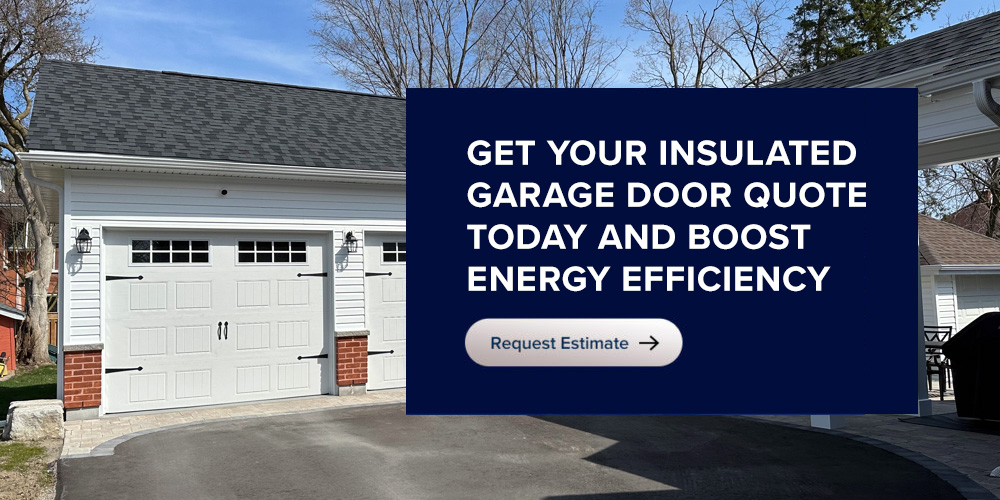
5 Essential Garage Door Maintenance Tips for Winter in Stouffville
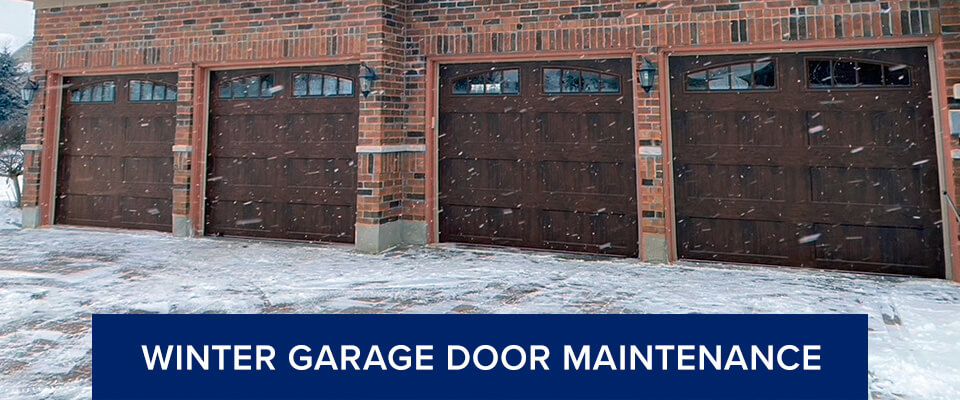
Winter conditions in Stouffville and the surrounding areas can be especially hard on garage doors. Freezing temperatures, snow, ice, salt, and moisture increase strain and stress on springs, cables, rollers and openers, often leading to breakdowns at the worst possible time.
Follow these 5 essential garage door maintenance tips for winter to keep your door operating safely and reliably throughout the colder months.
1. Lubricate Moving Parts to Prevent Freezing
Cold weather causes the garage door metal components to contract and frost, increasing friction and wear. Grease and lubricants can thicken in low temperatures, creating additional resistance, further impacting performance.
- We suggest using Krown Rust Protection & Lubricant, perfect for low temperatures. Avoid household oils or WD-40.
- Lubricate the torsion spring above the door, roller bearings, hinges, bottom brackets where your cables attach and at the bottom of the tracks where they meet up with your concrete floor.
- Lubricating the area between the door and the rubber of the surrounding weather stripping is also recommended to reduce resistance and freezing.
- The garage door openers chain or belt can also be lubricated with the same Krown Rust Protection. As for the gear inside the machine, we suggest a heavier white grease.
Regular lubrication is especially important for garage doors in Stouffville, where winter temperatures frequently drop below freezing.
2. Inspect Weather Seals and Bottom Rubber to Keep Out Cold Air & Moisture
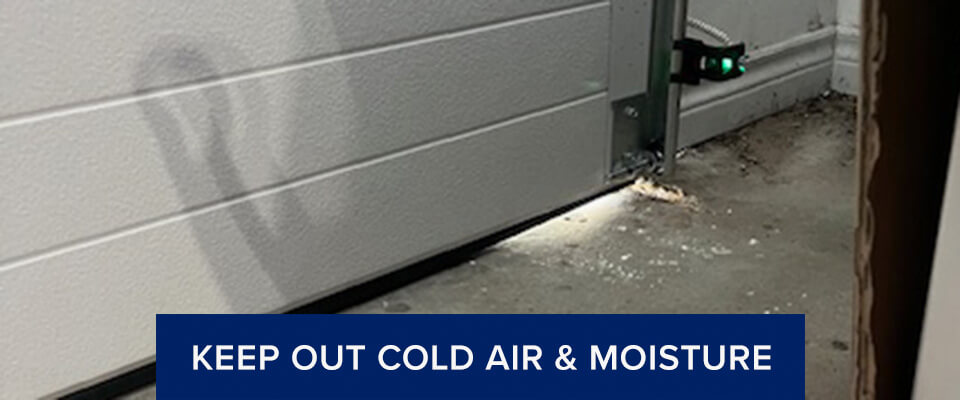
Damaged weather stripping and bottom rubber allows snow, ice, and cold air into your garage, leading to frozen doors and higher energy bills.
- The bottom rubber seal flattens and cracks over time, leaving gaps between the bottom of the door and concrete floor.
- Over time, the side and top weather stripping can become brittle or shrink in cold temperatures, leaving gaps.
Proper sealing helps protect vehicles, stored items, and interior spaces during harsh Stouffville winters. Replace cracked or brittle seals and ensure the door seals tightly against the floor.
3. Test Garage Door Balance & Spring Performance
Garage door springs carry the full weight of the door and operate under extreme tension. Cold winter temperatures increase stress on the metal, making spring failure more likely during this time.
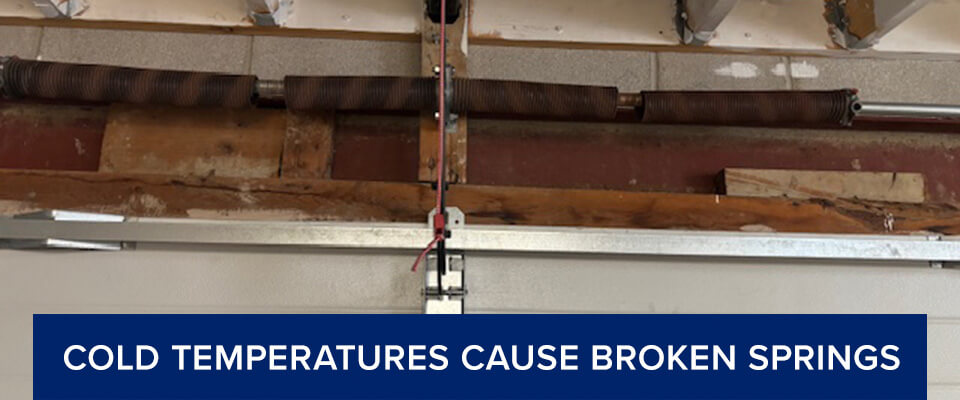
- In the closed position, disengage the opener from the door by pulling down on the manual release rope/handle and lift the door halfway in the opening.
- The door should stay in place without drifting. If it falls to the floor, the spring needs additional tension or replacement as it is worn. If it starts to move upward, the spring tension or spring itself may be incorrect.
- If the garage door is on an angle, the cables might be worn or have come loose and the door will need to be re-levelled.
Spring and cable adjustments or replacements are very dangerous and should always be handled by a professional.
4. Clear Tracks & Inspect Rollers for Winter Damage
The bottom of the garage door tracks are exposed to the harshest elements. This area also contains critical components such as the bottom brackets where the cables attach and the bottom rollers. Snow, ice, and road salt can build up on these parts, causing the door to stick, sit unevenly, or operate in a jerky manner when opening or closing.
- Remove ice, debris, and buildup from tracks, bottom brackets, cables and rollers.
- Inspect rollers for flat spots and make sure they are rolling smoothly along the tracks.
- Tighten loose brackets and hinges if they have started to come loose.
Never force a frozen garage door open, especially with the garage door opener. Doing so can strip the opener gear or rip the operator bracket right out of the door. During harsh Stouffville winters, this is one of the most common causes of emergency garage door service calls.
5. Test Safety Sensors & Opener Operation
Cold weather can affect garage door openers and their photo eye safety sensors. If the photo eyes are misaligned, blocked, or covered in snow or frost, the garage door will not close. When you press the button to close the door, the opener light will blink and the door will not close. This is actually the most common issue we see and fortunately, it’s one of the easiest to fix.
Photo-eye sensors are located at the bottom of the garage door tracks about 6-8” off the ground, the perfect height to gather dust, dirt, snow and frost. Each photo-eye will have a light, the sending will have an orange/yellow light and the receiving will be lit up green. The orange/yellow light will always be glowing, if not then there is an issue with your photo-eye and it will need to be serviced or replaced. If only the green light is out that indicates the photo-eye needs to be realigned or cleaned. Once this is complete both lights will be solid, if the green is flickering even slightly it will require further adjustments of cleaning.
- Clean the photo-eye sensors using a cloth or paper towel.
- The photo-eyes need to be looking at each other, pretend there is a line going from one to the other and align till the lights are a solid orange/yellow and green.
- Listen for grinding, straining, or delayed response
Garage door openers have three main components: the motor, gear, and travel arm. Common issues you may notice when pressing the opener button include:
- Motor hums or buzzes: This usually means the door is stuck, jammed, or frozen to the ground. Disengage the opener and try to open the door manually before using the opener again.
- Motor runs but the door doesn’t move: This often indicates a stripped gear. Gears can be replaced, but if the opener is 15 years or older, it may be more cost-effective to consider a new unit.
- Travel arm moves but the door stays in place: This means the door is not properly engaged with the travel arm. Reconnect it manually before attempting to operate the door with the opener.
If your opener struggles during winter, it may need adjustment or servicing by Stouffville Garage Doors, your trusted local garage door company.
Why Winter Garage Door Maintenance Is Critical in Stouffville
Regular winter maintenance helps homeowners and businesses in Stouffville and surrounding areas:
- To Avoid emergency breakdowns during extreme cold.
- Stuck vehicles in the garage.
- Reduce costly winter service calls and parts.
- Extend the lifespan of garage door, opener and other components and parts.
- Improve safety and reliability all season long.
Garage doors are frequently used in the winter. People usually store their snowblowers, shovels and salt in teh garage and need to access them consistently all winter long. Parking in the garage is more common in the winter as well, keeping their vehicles out of the snow. This causes the melting of snow to accumulate along the bottom of the door, and tracks that affect all components of the garage door, making preventative maintenance even more important.
Garage doors see frequent use in the winter. Many people store snowblowers, shovels, and salt in their garages, requiring regular access all winter long. Parking in the garage is also more common during winter to keep vehicles out of the snow, ice and salt. All this activity, combined with melting snow, can cause water and ice to accumulate along the bottom of the door affecting the performance of all garage door components. This makes preventative maintenance especially important during the colder months.
Schedule Winter Garage Door Maintenance in Stouffville
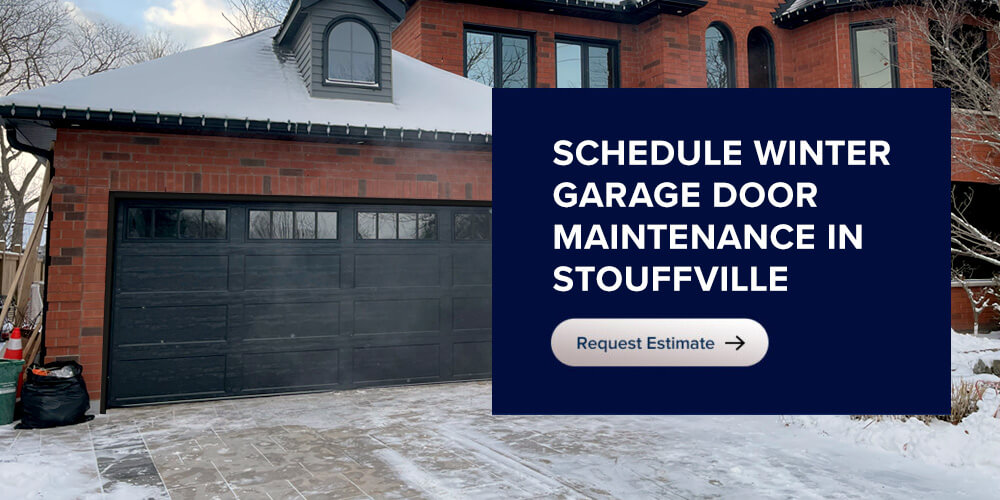
While basic inspections can be done by homeowners, professional garage door maintenance ensures your system is fully prepared for winter conditions. Our trained technicians service residential and commercial garage doors throughout Stouffville and nearby communities, identifying issues before they become major problems.
📍 Serving: Stouffville, Uxbridge, Ballantrae, Mount Albert, Goodwood and Surrounding Areas
📞 Call: 905-642-3217
📅 Book Your Winter Garage Door Maintenance Today
The Garage Door Buyers Guide
Getting a garage door is an investment that will last for decades. Even though colour, design and style are important considerations to assess, there are other crucial factors you should consider during your selection.
How to Choose the Right Garage Door
Choosing the right garage door for your home, cottage or commercial building starts with understanding a few key factors that affect performance, appearance and long-term value, including:
1. Assess Your Requirements
Consider how you’ll use your garage to determine the right door for your needs:
- If your garage is a workshop, living area or entertaining space, prioritize insulation and heat.
- A garage with living space above it should have a highly insulated door.
- If you plan to install a car lift, a high-lift system will be required.
- For storing valuables, consider privacy windows, tempered glass or no windows.
- Seasonal or vacation properties need a sturdy door to protect your belongings.
- Commercial buildings should have dependable, energy-efficient overhead doors.
- Automotive shops with frequent door use require upgraded springs and hardware to handle wear and tear.
2. Set Your Budget
Even though budget is typically one of the major deciding factors when purchasing a garage door, it is important to find the perfect balance between the door’s durability and reliability and how much you are willing to invest. Here are some things to think about before purchasing:
- Curb Appeal: When selling a home, first impressions matter — and with the garage door as a major curb-appeal feature, upgrading it can deliver an average 194% return nationwide while boosting overall property value.
- Energy Efficiency: If you plan to heat your garage, an insulated door will minimize heat transfer and increase energy efficiency. This results in lower water and gas bills, offsetting the initial higher cost.
- Durable Components: Upgrading hardware when you initially purchase a garage door is far more cost-effective than adding or replacing it later.
3. Measure Your Doorway
Taking accurate initial measurements is crucial for determining your garage door’s features, including size, type, motor requirements and other essential considerations.
Measure the width and height of the opening and the headroom or the floor-to-ceiling height. These measurements determine the door size and hardware you’ll need. If the floor-to-ceiling height is much greater than the door height, we recommend a high-lift system, which opens the door closer to the ceiling and uses the extra headroom for a car lift, storage or other needs. Alternatively, if there is limited headroom, you will require a low-headroom track system.
4. Define Style and Colour
When deciding on your garage door’s style, consider your property’s architecture and colour palette. Full-view doors are a modern option that suits contemporary-style homes better, while carriage house garage doors are ideal for period or traditional houses, like Victorian or ranch-style properties.
Here are some tips to consider when choosing the colour and style of your new garage door:
- Choose the Colour First: Garage doors have fewer colour options than entry doors, trim or siding. Plus, custom painting or staining can be expensive.
- Find the Right Match: We offer colour chips to help match your garage door to other areas of your home, and we can also provide a digital mock-up to show how the door style and colour will look before you purchase.
- Consider the Opening: If your door opening has a custom arch, keep in mind that standard garage door windows may not match the radius, but we can provide suggestions to find the best-fitting door.
- Select Suitable Windows: The style of a garage door can be influenced by the windows you choose. For example, a traditional door can take on modern accents when paired with the right window style and finish.
5. Choose Glass Options
Windows in a garage door come in various sizes with multiple inserts and glass types, and finishes. When deciding to add windows to your garage door, you should ask yourself the following questions:
- How is my garage going to be used?
- What will I be keeping in my garage?
- Would I like a source of natural light in my garage?
- Do I want privacy glass or windows that allow me to see outside?
- How overlooked or close to a sidewalk is my garage door?
- Do I want to match the style of my house or entry door window to my garage door windows?
- What size windows do I need?
6. Consider How Your Door Should Open
Tracks influence how garage doors open. The type of track you choose is typically based on available space and how you plan to use your garage door. Options include:
- Standard Radius Track: This track is the most common option for homes with a standard ceiling height, lifting the door up and back along the ceiling.
- Low-Headroom Track: If you have limited space, this track is the ideal choice. It allows the door to open with minimal clearance above the opening.
- High-Lift Track: Used in garages with extra ceiling height, the track raises the door higher before it turns overhead. It is perfect for car lifts or added storage.
- Vertical-Lift Track: This system runs straight up the wall and is typically used in commercial or very tall residential garages, requiring little backroom but significant height.
- Follow Roof Pitch Track: Designed for sloped or vaulted ceilings, this track allows the door to follow the roof angle and sit parallel to the pitch.
- 25-Degree Track: The 25-degree track is a specialized option that increases the opening angle to clear handles, windows or other door features that interfere with standard tracks.
7. Select a Suitable Material
Choosing the right garage door material means balancing curb appeal, durability, energy efficiency and style. Here’s a look at the different materials to help you make the best choice for your home:
- Steel: Low maintenance and durable with multiple styles and finish options, steel doors are an excellent and relatively affordable choice. They can dent, especially thinner steel, and scratches can rust if not repaired. These doors also have poor natural insulation, so it’s best to buy models with added insulation.
- Natural Wood: These stunning doors have a warm, natural aesthetic with design flexibility. You can also enhance their appeal with stains and customization. The material makes them heavy and harder to operate manually. Plus, they require frequent upkeep to prevent warping, swelling or rot.
- Aluminum and Glass: When you’re looking for rust-resistant, lightweight doors that let in natural light, consider aluminum and glass models. While they are highly customizable, they have a lower insulation value with glass options that may reduce privacy.
- Composite Overlay: Moisture-resistant and durable, composite overlay doors mimic the natural beauty of wood with less maintenance need. However, they can be harder to repair and may need to be replaced when damaged.
8. Think About the Insulation Level Needed
A garage may serve many purposes, but regardless of how it’s used, a well-insulated garage door plays a key role in comfort and energy efficiency. Insulation helps regulate temperatures, lower energy costs, reduce noise, protect stored items, extend door lifespan and add value to your home — making it a smart upgrade for almost any property.
These factors influence how much insulation you need:
- Your Climate: Do you face harsh winters or scorching summers?
- Garage Location: Is your garage attached to the house, affecting the temperature in your main living areas?
- Garage Use: Will it store vehicles, serve as a recreational or living space or function mainly for storage?
- Noise Level: Will you use noisy equipment, play instruments or want to block outside noise?
9. Don’t Forget About Security
All residential garage doors offer some protection from criminal activity, which is why your family’s and your belongings’ safety is a key factor when deciding on your door’s durability, reliability and sturdiness. Here are some ways to enhance garage door security:
- Eliminate Common Vulnerabilities: Assess and address vulnerabilities in and around your home, such as weak doors or springs, older openers and side doors with weak locks or windows.
- Choose Secure Door Types: Some garage doors offer increased security. For example, steel doors have inherent strength and durability that make them resistant to forced entry. Roller doors are hard to pry, wood doors are heavy to lift and hide valuables well and sectional doors have a multi-panel, interlocking design and tight seals that offer added security.
- Install Smart Security Systems: Consider adding smart openers for remote garage door control or cameras with night vision and motion detection to make your space more secure. You can also get professional 24/7 monitoring with video verifications and real-time alerts.
- Add Access Control: Access control systems are excellent for preventing unauthorized entry. Choose between keyless entry pads, remote apps or biometrics depending on your security needs.
Investing in advanced and smart features protects your home, offers convenience and may reduce insurance costs.

Transform Your Property With Stouffville Garage Doors
Stouffville Garage Doors has been serving residents with local, trusted garage door services since 1988 and has a team of qualified experts who will walk you through the entire process of choosing your new garage door, while providing the best service and excellent support.
Revitalize your property by requesting your new garage door estimate today!
Cheap Garage Doors in Stouffville: What You Need to Know Before You Buy
It may seem like a smart choice to purchase the cheapest garage door and save some money, but that option comes with several risks. Many cheap garage doors in Stouffville, sold unofficially or without proper documentation, are poorly made and fail to meet Canadian safety and environmental standards.
Browse our Quality Residential Garage Doors
The Hidden Costs of Bargain Garage Doors
You may purchase a garage door at the lowest price (which is great for your pocket), but that doesn’t mean that you can rely on it to keep your property secure, improve energy efficiency or ensure long-term value. Here’s what you may face:
- Higher Energy Bills: Most cheap garage doors in Stouffville have poor or no insulation, which means warm air from your home can easily escape during winter or seep in from outside during summer. As a result, your HVAC system works harder and uses more electricity to keep your space comfortable.
- Frequent Repairs: The low-cost garage doors in Stouffville are often made from thin or low-quality materials that wear out quickly or can easily dent, bend or crack if hit by a ball or any hard object. Weaker materials equal frequent service calls, which you must pay for.
- Short Lifespan: No matter how well you care for an inexpensive garage door, it might only last a few years before it stops working completely. Even if the door keeps working, repairing it may cost nearly as much as replacing it, which means you’ll have to purchase and have a new door installed more frequently.
- Incorrect Hardware: Many budget garage doors come with low-quality hardware that can make operation difficult and may even damage your garage door opener. Using the wrong springs or cables can cause the door to fail, leading to property damage, vehicle damage, or even serious injury or death.
- Warranty: Most budget doors come with little to no real warranty. Too often, we receive calls from homeowners asking us to fix issues caused by poor installation quality or incorrect parts. Unfortunately, the companies that sell these budget doors are rarely available after the installation is complete and payment has been made — they simply stop answering calls.
Hidden costs aside, Stouffville’s cheap garage doors are often flimsy and easy to pry open. They make your house more vulnerable to break-ins and weather events. High-quality garage doors with reinforced panels, reliable locking systems and advanced safety sensors can better protect your family, customers or employees.
Navigating Regulations: CEPA Compliance and Your Health
Under the Canadian Environmental Protection Act (CEPA 1999), manufacturers must use approved materials that don’t release harmful chemicals when building polyurethane-insulated garage doors. Unfortunately, many low-cost, imported doors (often sold without proper documentation) fall short of these standards. These products can release volatile organic compounds (VOCs) and other toxic gases into your garage and living spaces, a process known as off-gassing. Prolonged exposure to these emissions has been linked to breathing difficulties, aggravated asthma, headaches and in some cases, more serious long-term health issues.
Choosing CEPA-compliant garage doors made with cleaner, safer manufacturing practices protects your family’s health and reduces environmental impact. Before purchasing, always ask the dealer for written proof of compliance, such as a manufacturer’s certification or safety data sheet. This simple step helps you verify that your door meets Canadian safety standards and gives you peace of mind.
Other things to check before you purchase a door include:
- R-Value: Higher values mean better insulation and lower energy bills.
- Warranty: Look for coverage that protects both parts and labour.
- Dealer’s Reputation: Read customer reviews and confirm the dealer has a showroom and service staff—not just a truck.
Stouffville Garage Doors Is Your Partner for Quality and Security

Since 1988, Stouffville Garage Doors has installed more than 40,000 doors across Stouffville, Gormley, Ballentrae, Claremont, Uxbridge, Zephyr, Mount Albert, Aurora, Sunderland and surrounding communities. We carry trusted name-brand products like Clopay®, backed by manufacturer warranties, and add our own one-year labour warranty for extra peace of mind.
Contact Stouffville Garage Doors today for a new garage door quote. We aim to provide safe, energy-efficient and long-lasting solutions.
Modern vs. Traditional Garage Doors
The right garage door complements the outside of your property and can enhance its curb appeal. If you need a new garage door and are wondering if you should get a modern or traditional design, Stouffville Garage Doors has you covered.
Browse our Residential Garage Doors
In this garage door style comparison, we explore the differences between modern versus traditional garage doors and the features to look for to get the door that suits your needs.
Modern Garage Door Characteristics
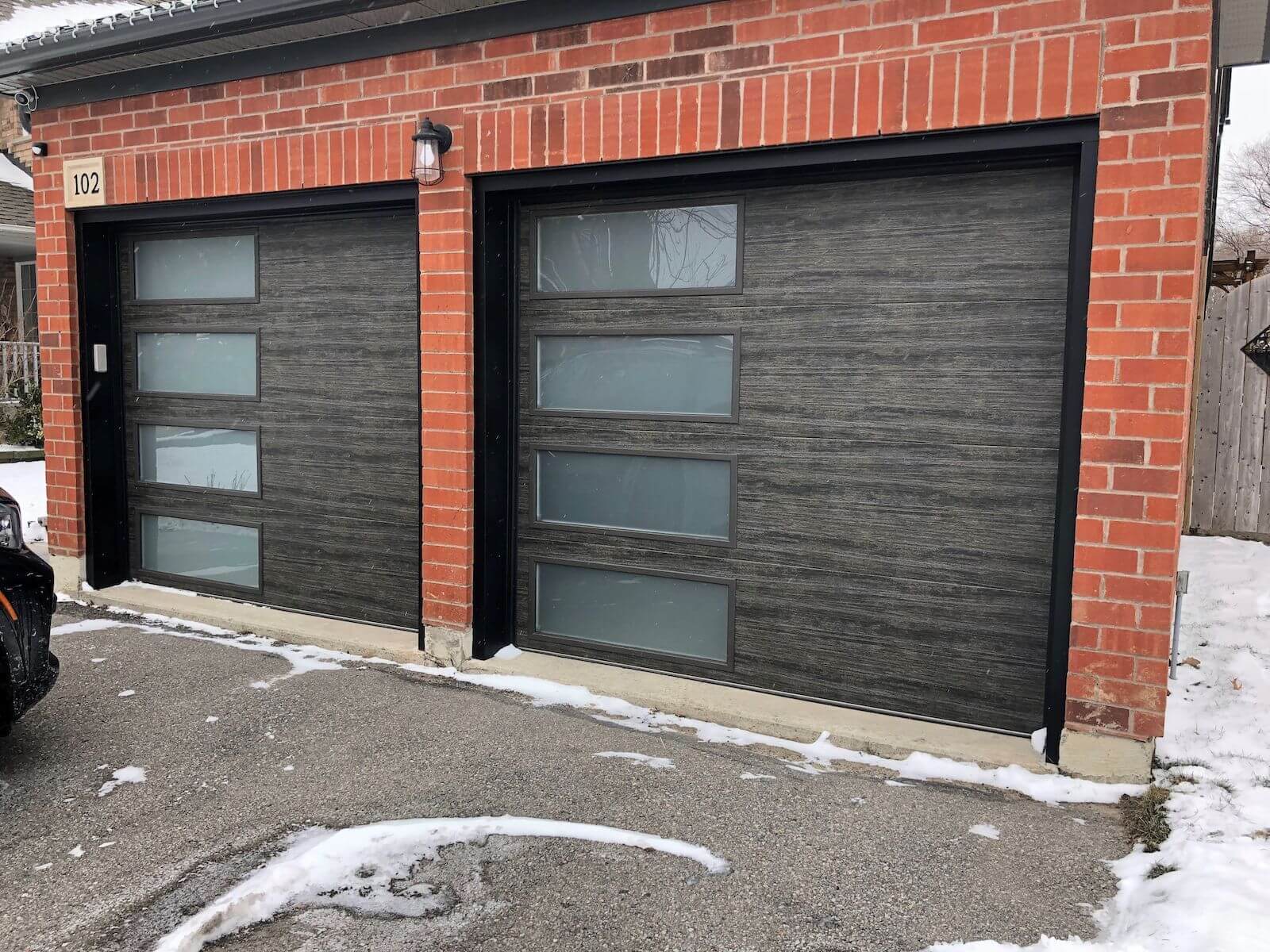 Modern garage door designs feature sleek, minimalistic lines. Some have large windows and are often monochrome in color, reflecting their design simplicity. Though they have clean designs, modern garage doors also have advanced features like improved locking mechanisms.
Traditional Garage Door Characteristics
Nostalgia and elegant details are strong features in a traditional garage door design. They have a timeless look with recessed or raised panels and often operate on motorized garage door openers.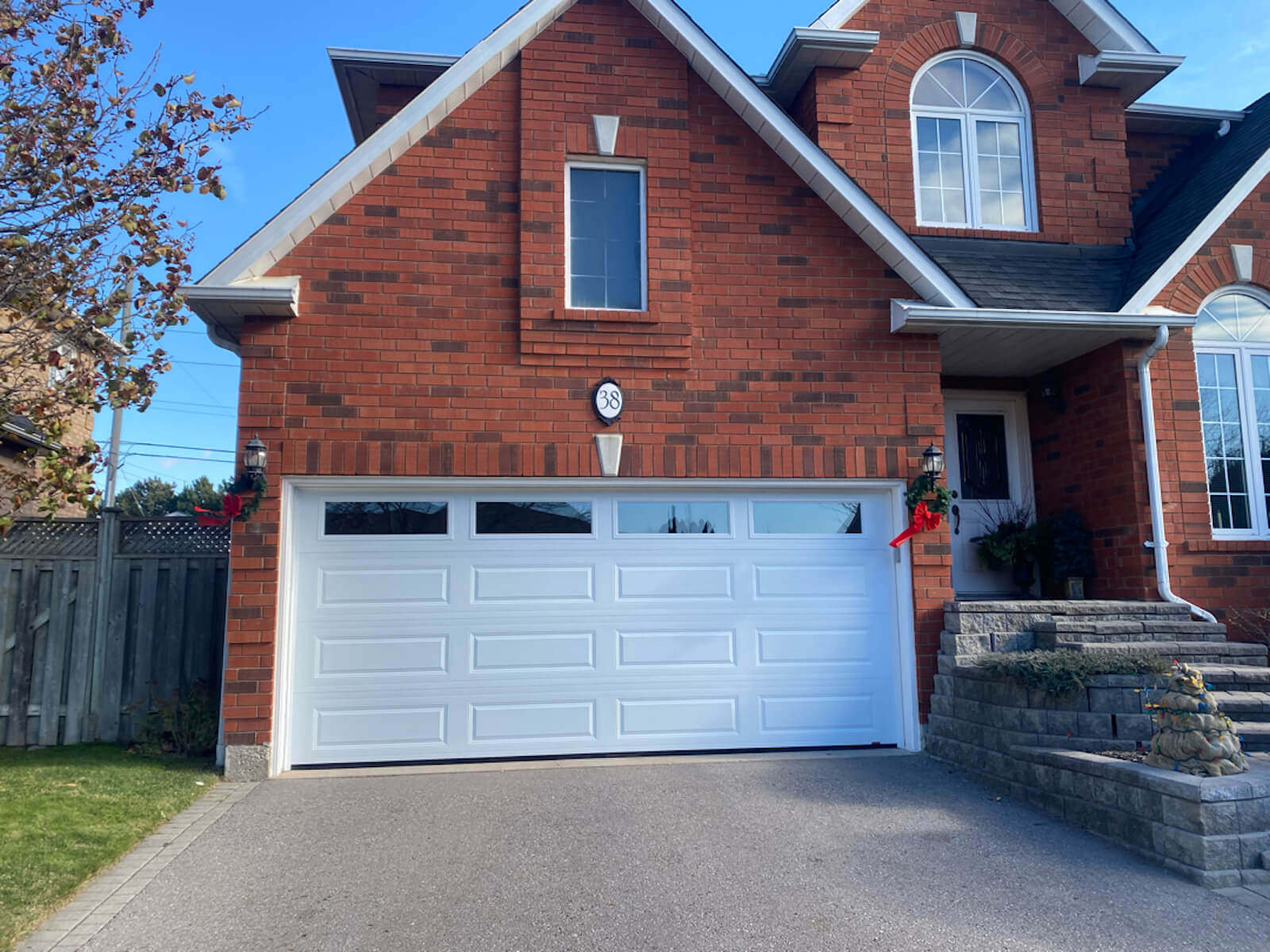
Modern Door Materials vs. Traditional Door Materials
Usually, there’s a stark contrast between modern and traditional garage door materials:
- Modern Garage Door Materials: Glass and aluminum are popular with contemporary garage doors, giving them a stylish look.
- Traditional Garage Door Materials: Wood is the hallmark of traditional garage doors, with steel being another common alternative.
Home Styles for Modern and Traditional Garage Doors
Most classic garage doors blend well with almost any home. However, some houses fit better with either modern or traditional garage doors:
- Home Styles for Modern Garage Doors: A modern garage door suits homes with large windows, clean architectural lines and little to no outdoor decorative features. These doors also fit homes built with contemporary geometric shapes.
- Home Styles for Traditional Garage Doors: Victorian, Colonial or other period style homes are ideal for traditional garage doors. If your home’s exterior showcases lots of craftsmanship, like a period balcony or an arch-shaped porch cover, a traditional garage door also works best.
Benefits of Both Garage Door Types
Many modern and traditional garage doors are easy to maintain, and you can customize certain features to fit your home. Traditional-style garage doors are also being built to be compatible with modern features like smart management and whole-home integration. Property owners no longer have to choose between modern or traditional garage doors, as they get the best of both worlds.
Your Trusted Expert in Garage Doors
If you’re weighing your options between a modern or traditional garage door, Stouffville Garage Doors carries beautiful garage doors from Clopay®. To get started, contact us or request an estimate today to discuss getting the right garage door for your home.